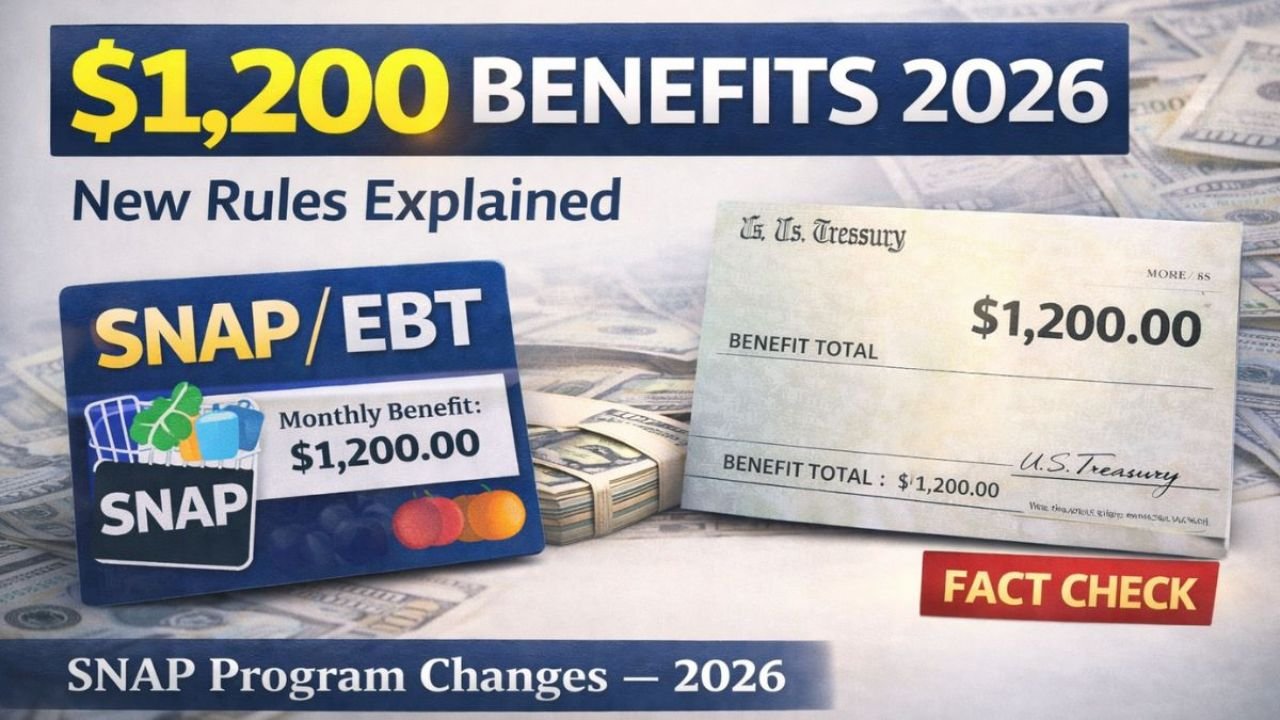
As the cost of everyday essentials continues to rise across the United States, the Supplemental Nutrition Assistance Program remains a critical source of support for millions of households. Food prices, housing costs, and utility bills have all increased over the past year, placing additional strain on family budgets. In response, several SNAP updates for 2026 are reshaping benefit amounts, eligibility thresholds, deductions, and work requirements.
These changes aim to ensure that nutrition assistance reflects real-world expenses and continues to serve as a reliable safety net for families, seniors, and individuals facing financial pressure.
How SNAP Is Changing in 2026

SNAP is designed to adjust annually based on economic conditions. In 2026, updates focus on aligning benefits with inflation, particularly in food and housing costs. While the program’s core structure remains the same, expanded deductions and higher maximum benefit levels mean many households may see increased monthly assistance.
The goal is not only to reduce food insecurity but also to help families maintain stability as living costs remain elevated.
Understanding the $1,200 SNAP Benefit Figure
One of the most discussed figures for 2026 is the possibility of SNAP benefits reaching up to $1,200 per month. This amount represents the maximum benefit level, not a standard payment.

Typically, this higher figure applies to households of four with very low or no countable income and significant allowable expenses, such as high rent, utility costs, or medical deductions. Most SNAP recipients receive less than the maximum, but the higher ceiling provides meaningful support for families experiencing the greatest financial strain.
It is important to understand that SNAP benefits are personalized. Household size, income, and expenses all play a role in determining the final monthly amount.
How SNAP Benefits Are Calculated in 2026
The Role of the Thrifty Food Plan
SNAP benefits are based on the Thrifty Food Plan, a model created by the U.S. Department of Agriculture to estimate the cost of a basic, nutritious diet. This plan is updated annually to reflect changes in food prices and consumption patterns.

For 2026, continued increases in grocery prices, transportation costs, and energy expenses have led to higher benefit levels. The adjustments help ensure that SNAP benefits better reflect the actual cost of feeding a household.
Income Contribution Formula
Households are generally expected to contribute about 30 percent of their net income toward food costs. SNAP then covers the remaining gap between that contribution and the maximum benefit for the household size.
As deductions increase in 2026, net income calculations improve for many families, resulting in higher benefit amounts even if gross income remains unchanged.
Updated Income Limits and Deductions
Higher Income Thresholds
Income limits for SNAP are adjusted annually based on federal poverty guidelines. In 2026, these thresholds increase slightly, allowing more households to qualify or remain eligible despite modest income growth.
This adjustment is especially important for working families whose wages may rise slightly but not enough to keep pace with inflation.
Expanded Standard Deductions
Standard deductions increase in 2026, reducing the amount of income counted when determining benefits. This change particularly benefits single adults, seniors, and people with disabilities, who often have fixed or limited incomes.
Shelter and Utility Deductions
Housing costs continue to be one of the largest financial burdens for SNAP households. Shelter deductions, which account for rent, mortgage payments, and utilities, increase in 2026.
This allows households with high housing expenses to qualify for higher benefits, reflecting the reality that less income is available for food after housing costs are paid.
Work Requirements and Expanded Exemptions
Changes for Able-Bodied Adults Without Dependents
Work requirements for able-bodied adults without dependents are being adjusted in 2026. Age limits are updated, and time limits for receiving benefits without meeting work requirements are modified in some states.
Broader Exemptions
Several exemptions are expanded to reflect modern economic realities. Individuals who may qualify for exemptions include:
- People with disabilities or serious health conditions
- Caregivers for children or dependent adults
- Pregnant individuals
- Veterans
- People experiencing homelessness
In areas with high unemployment or limited job opportunities, states may also receive waivers that allow eligible adults to continue receiving benefits while seeking stable employment.
Payments, Applications, and Program Access
Monthly Benefit Distribution
SNAP benefits continue to be issued monthly through Electronic Benefit Transfer cards. Payment dates vary by state and are usually based on case numbers or last names.
Simplified Applications
Most states now offer online SNAP applications, digital document uploads, and faster processing times. These improvements make it easier for families to apply, update information, and complete required reviews.
Households already enrolled typically do not need to reapply to receive updated benefit amounts, but they must complete periodic recertification to remain eligible.
Ongoing Support for Recipients
Many states also provide outreach and support services, helping recipients understand benefit changes, report income updates, and access nutrition education programs.
Why SNAP Remains Essential in 2026
SNAP continues to be the nation’s largest and most effective anti-hunger program. It supports children, working families, seniors, and people with disabilities by ensuring consistent access to nutritious food.
Beyond individual households, SNAP benefits strengthen local economies. Funds are spent at grocery stores, farmers markets, and food retailers, supporting jobs and community businesses.
As living costs remain high, SNAP plays a vital role in reducing food insecurity and helping families maintain financial stability. The 2026 updates reflect ongoing efforts to ensure the program remains responsive to real-world needs.
Looking Ahead
SNAP changes in 2026 are shaped by economic conditions and the growing cost of essentials. While benefit amounts and eligibility rules vary by household and state, the overall direction of the program remains focused on providing meaningful, timely support.
Families are encouraged to stay informed through their state SNAP agency and official government resources to understand how these updates apply to their specific situation. As financial pressures continue, SNAP remains a cornerstone of household resilience and food security in 2026.