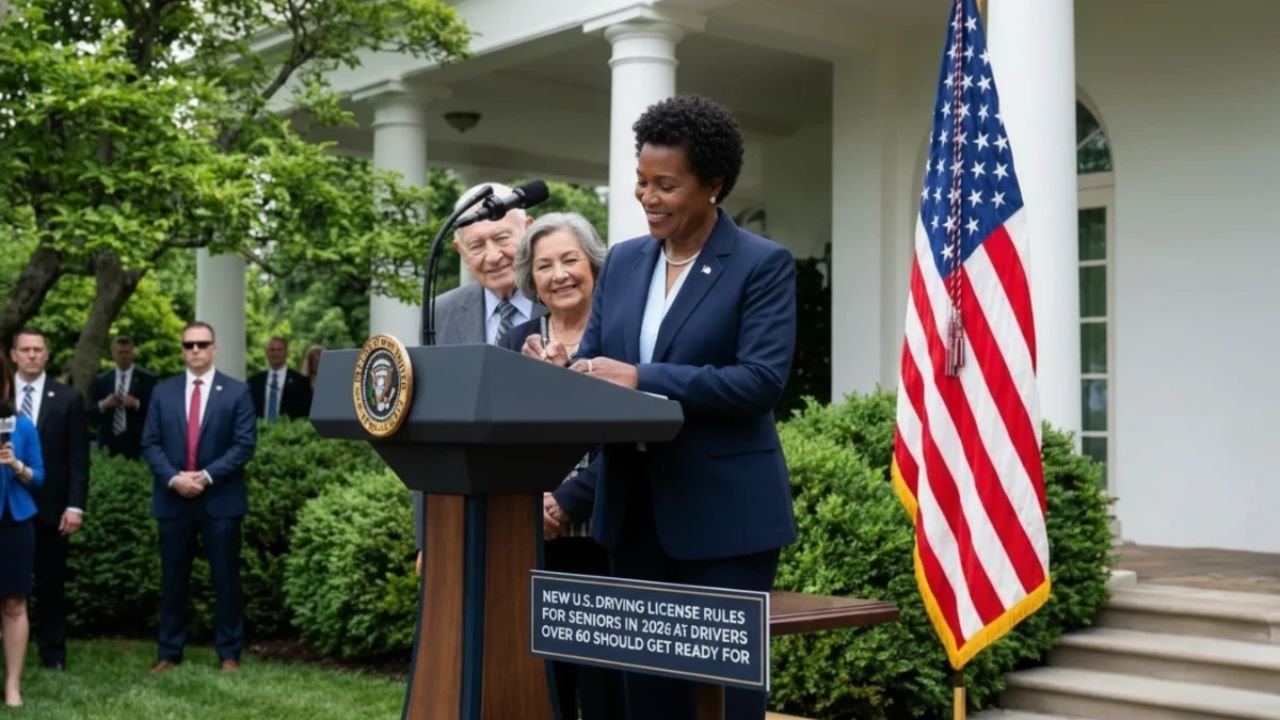
Seniors across the United States are facing new driving license rules in 2026, sparking questions about renewals, testing, and medical requirements for drivers over age 70. While no single nationwide mandate exists, state DMVs are reviewing procedures to ensure road safety for older drivers. Understanding what may change and how to prepare is essential for maintaining uninterrupted driving privileges.
Why Driving License Rules for Seniors Are Evolving
Updates to senior driver licensing are largely motivated by road safety concerns, aging population trends, and guidance from the U.S. Department of Transportation. While federal authorities provide recommendations, actual licensing decisions remain state-specific, resulting in varied rules across the country. States are focusing on ensuring that older drivers maintain safe vision, cognitive function, and reaction times without unnecessarily restricting independence.
Driving License Changes Seniors May See in 2026
| Rule Area | Possible Change |
|---|---|
| Renewal period | Shorter license validity requiring more frequent renewals |
| Vision testing | Mandatory eye exams at renewal or specified age intervals |
| Road tests | Age-triggered retesting for certain drivers |
| Medical disclosure | Expanded reporting of conditions affecting driving |
Who Will Be Most Affected

Drivers over 70, particularly those with vision impairments, slowed reaction times, or cognitive or medical concerns, are most likely to face additional renewal steps. Healthy seniors may only notice shorter license periods and routine vision checks, with minimal disruption to daily driving.
Nationwide vs. State-Specific Rules
There is no universal federal rule governing senior driver licenses. Each state sets its own age thresholds, testing requirements, and documentation standards. As a result:
- Some seniors may face stricter renewal procedures in 2026
- Others may experience no change beyond standard updates
Being aware of state-specific guidance is key to avoiding lapses or unexpected requirements.
How Seniors Can Prepare

Preparation can help seniors navigate the changes smoothly:
- Schedule vision exams in advance
- Obtain any necessary medical clearance from doctors
- Review written materials or practice for road tests if required
- Plan early renewals to avoid expiring licenses or delayed appointments
How Changes Affect License Renewals
In states adopting stricter protocols, seniors may need to:
- Renew in person rather than online or by mail
- Submit medical documentation at renewal
- Complete a road or written test based on age or condition
These requirements aim to assess safety without automatically restricting driving rights.
What Happens if a Requirement Is Not Met

Failure to meet a specific requirement does not automatically result in license loss. States often provide:
- Restricted or provisional licenses
- Opportunities for retesting
- Medical review periods before suspension decisions
This approach balances safety with the goal of maintaining mobility for seniors.
Key Facts Senior Drivers Must Know
- Rules vary by state; check your local DMV
- Not all seniors are required to retest
- Vision checks are the most common additional requirement
- Medical reviews are case-specific
- Early preparation prevents last-minute issues
Conclusion
The 2026 driving license updates for seniors are focused on evaluation, not restriction. Drivers over 70 who stay informed, complete required checks, and maintain medical compliance are most likely to renew smoothly. Understanding state-specific requirements and preparing ahead ensures safety while preserving independence on the road.
Disclaimer
This article is for informational purposes only and summarizes potential changes to senior driver licensing. Individuals should consult their state DMV for exact 2026 requirements and official guidance.